

![6351354_439 [Converted]-01.png](https://static.wixstatic.com/media/3f4fbc_edf91a77d9d04e97a954954d9d321fb4~mv2.png/v1/fill/w_980,h_102,al_c,q_85,usm_0.66_1.00_0.01,enc_avif,quality_auto/3f4fbc_edf91a77d9d04e97a954954d9d321fb4~mv2.png)
Sport Participation Isn’t Linear: Cycles, Culture Shifts, and Comebacks


I’ve recently been thinking about the boom/bust cycle some sports and activities go through - and whether we sometimes over-credit the strategy and under-credit the simple fact that culture moves in waves.
In sport we spend a lot of time on the “product”: formats, pricing, marketing, pathways, facilities, digital. That’s important - especially for participation-based sports that have to keep lowering the barrier to entry.
But sometimes the biggest lift doesn’t come from a clever redesign, it comes from the world swinging back in your favour.
1. Cycles create opportunity
Most activities live inside bigger cultural rhythms. Interest rises → matures → flattens → and then, often years later - re-enters.
Running/marathons are a good example. Huge in the 80s, then it settled into a loyal base. Nothing was “wrong” with running. Then a few macro things lined up: health and wellbeing became mainstream, people looking for new forms of connection, tech made training and sharing fun (Strava, watches), and big-city events returned.
Running didn’t reinvent itself - the culture made running useful again.
Sometimes participation isn’t purely a function of how well the sport is designed. It’s also a function of whether the moment is right.
2. Adaptation captures opportunity
That said, not every sport benefits equally when the moment arrives.
This is where strategy still matters.
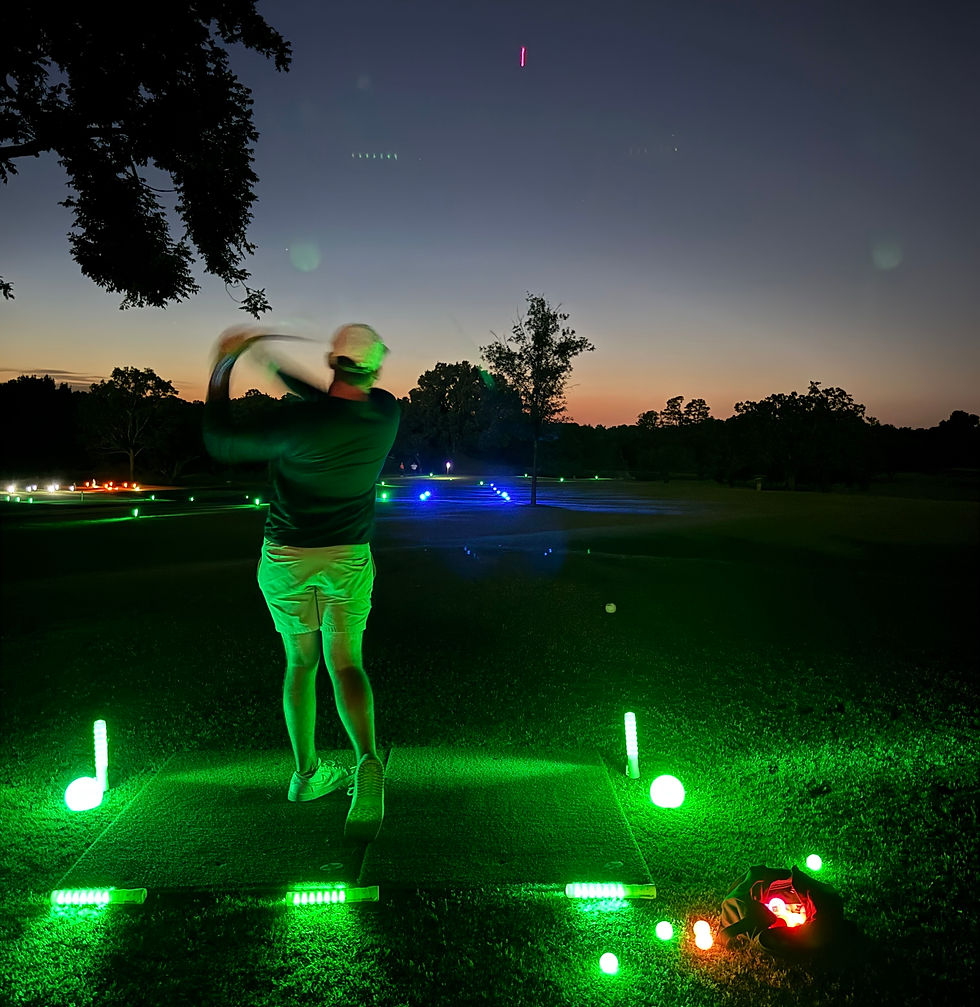
Golf is a good example. For years it was carrying the “too long, too expensive, too formal” label. Then the external environment opened a window - people wanted outdoor activity, social connection, and flexibility. Golf’s upswing wasn’t just luck: clubs relaxed dress standards, promoted 9-hole/social/night formats, improved digital booking, made it easier for new people to have a go. The sport was ready when the opportunity presented.
You see the same pattern in fitness. Pilates has been around forever. But when reformer studios modernised the format - smaller groups, better spaces, wellness positioning, clearer value - it suddenly looked new again.
You can frame this as:
- Cycles create the opportunity
- Adaptation captures the opportunity
3. Infrastructure enables opportunity
There’s a third piece too: some sports can come back simply because the assets never left. If the infrastructure disappears, the same cultural tailwind doesn’t help as much. If you still have courses, courts, trails, clubs, or anchor events, the barrier to revival is low. When culture swings back, you can scale again quickly.
For some sports and activities, there is a natural cycle in participation, but organisations still have agency in how big their next upswing is. Only the sports and activities that are ready, welcoming, and easy to join actually ride the next wave.
We sometimes talk about sports like they’re in permanent decline - “young people don’t want this anymore.” But often the ingredients are still there; they just need reframing.
What can sport and recreation organisations do?
Keep a low-friction entry product alive (shorter, social, affordable).
Protect the loyal core that sustains you between waves.
Keep the story current for new motivations (connection, mental health, adventure, family).
Invest in the platform - facilities, digital, community - so you stay visible in the quiet years.
Watch for culture signals so you can move early.
A lot of it isn’t about forcing growth, it’s about being ready when the next window opens. Sports and activities that are ready, welcoming and easy to join will be best placed to ride the next wave.


Comments